Special Initiative ONEWORLD No Hunger

Since 2014, actors from politics, private sector, science and civil society have been working together in more than 200 projects in 35 countries to achieve one goal. A world without hunger by 2030.
Read more

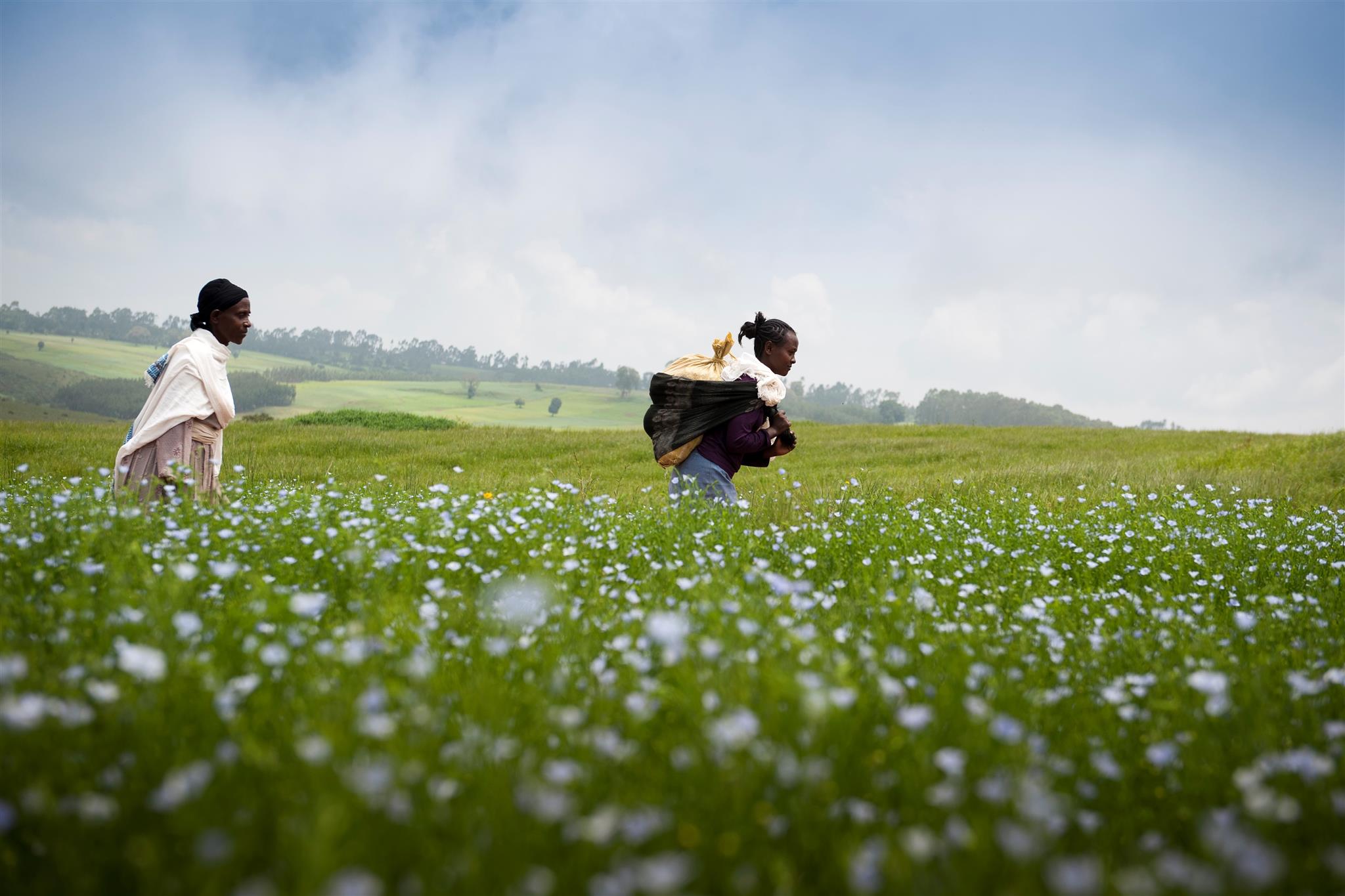
ONE WORLD - 15 Green Centers

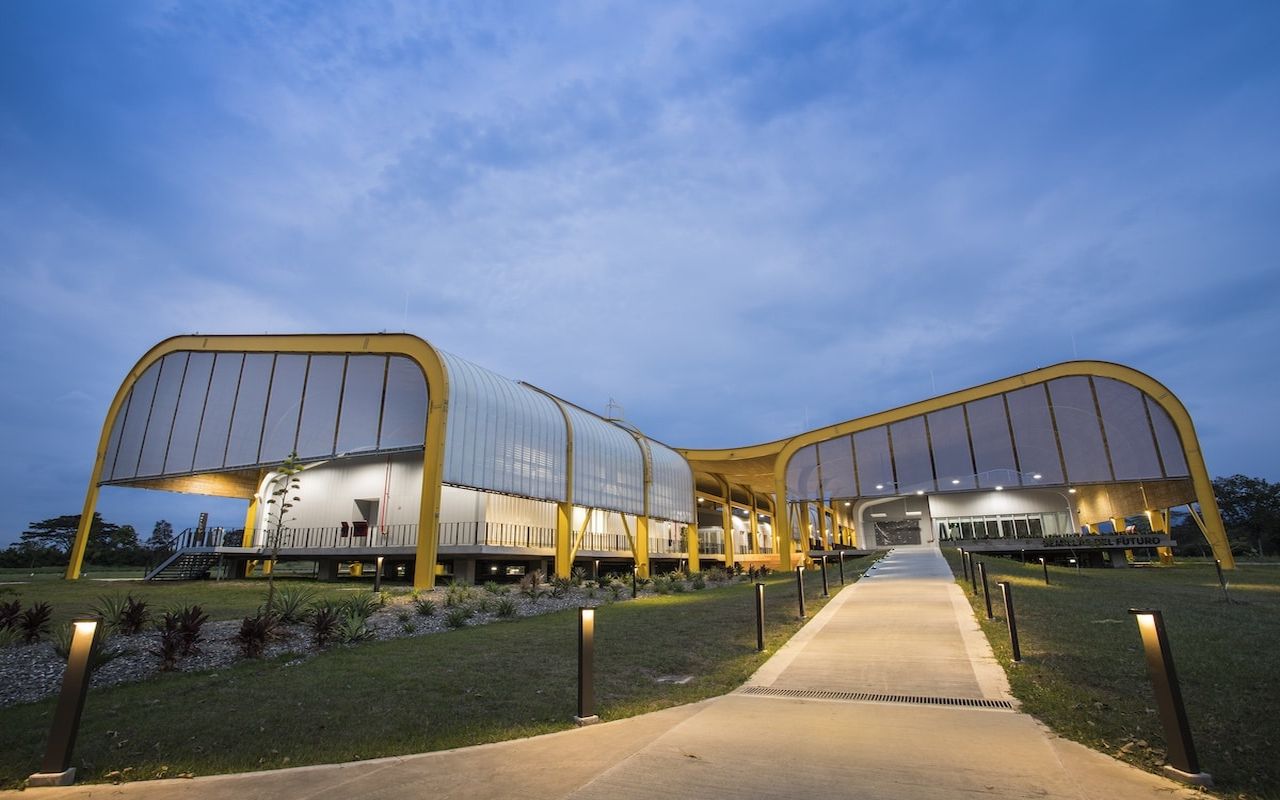
Innovation means the change of routine. Whether technical or social, innovations are manifold and above all require the exchange of knowledge. This is why Germany has established the Green Innovation Centres in 15 partner countries. In this extra section you will find success stories, work examples and project reports.
Read more

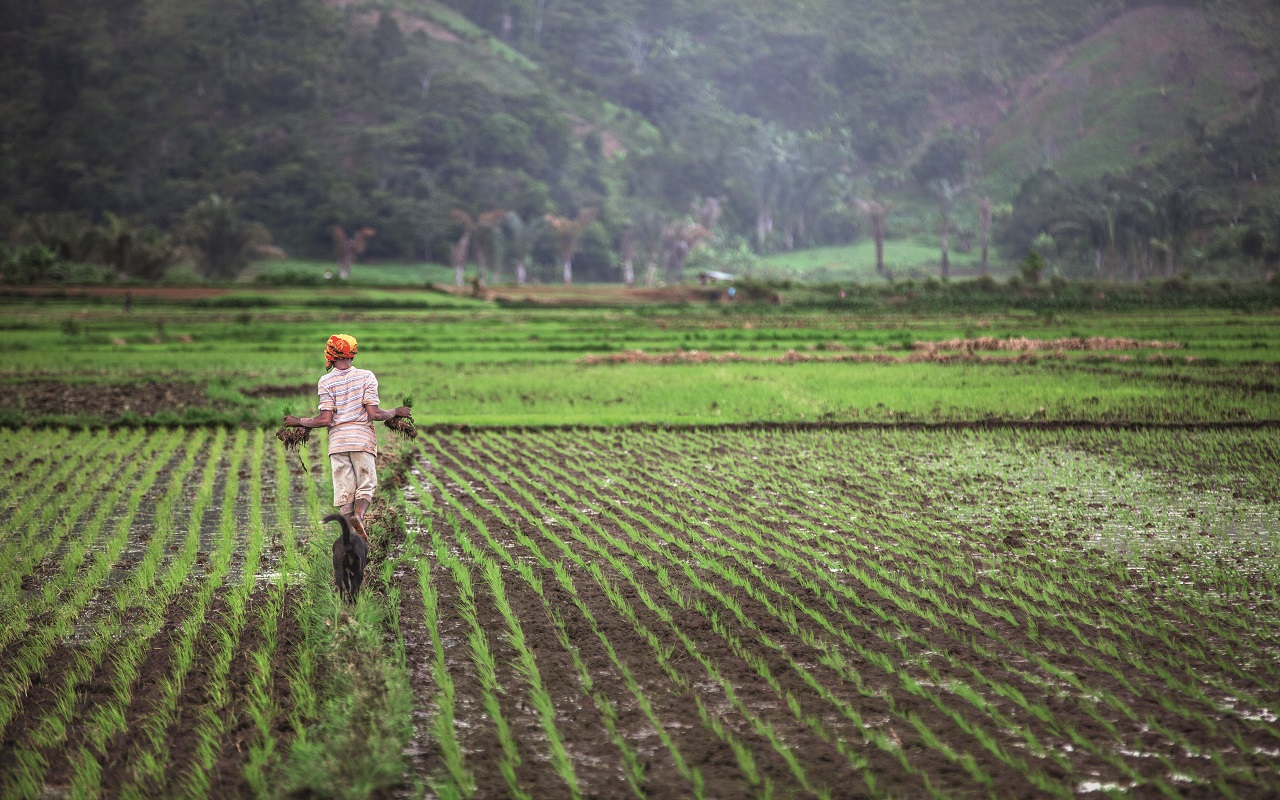
Innovations for a world without hunger

A new fund currently seeks innovations in the agri-food sector. Learn more about funding opportunities and success stories.
Read more

Latest

G7: Progress for a fair world

All articles

By numbers

All articles

How to feed the world

All articles

A World without Hunger Is Possible

With the special initiative "One World Without Hunger" (SEWOH), the German government has set an example. Dirk Schattschneider, Commissioner for the Special Initiative at the Federal Ministry for Economic Cooperation and Development (BMZ) on achievements to date, lessons learned and the future of SEWOH.

With its special initiative for “ONE WORLD – no Hunger”, the German federal government issued a clear statement of intention. Soon commonly known as “SEWOH”, the initiative provided the opportunity to react flexibly within budgeting regulations and make an extensive contribution to fulfilling SDG 2. The political calendar provided various occasions to engage the international community through Germany’s G7 and G20 presidencies. The fact that the number of people suffering from hunger has increased since then does not undermine SEWOH’s efforts. Instead, it underpins the call to further intensify efforts on the national, European and global levels. The calendar still offers good vantage points. Great expectations rest on the United Nations Food Systems Summit, and in 2022 Germany will again take over the G7 presidency.

Read more …

Accelerating Development in Rural Areas through Innovation

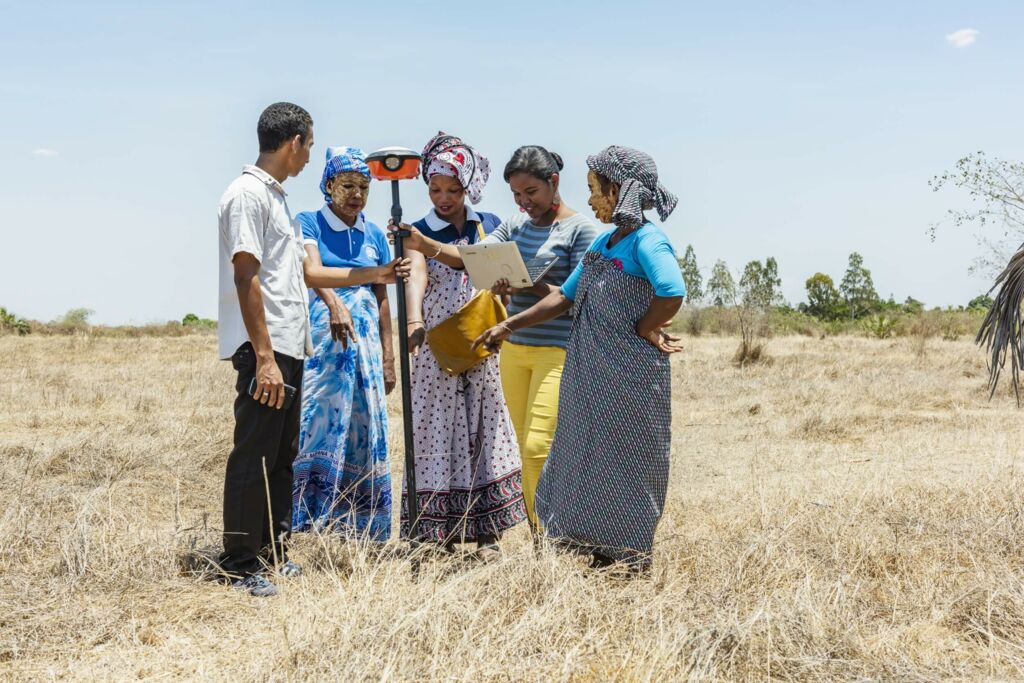
In order to make rural areas fit for the future and to sustainably improve the nutrition of many people, innovative approaches and solutions are needed. That is why SEWOH has created Green Innovation Centers, thereby providing important impetus for progress and innovation.

Read more …

Creating Prospects through Income, Employment and Participation

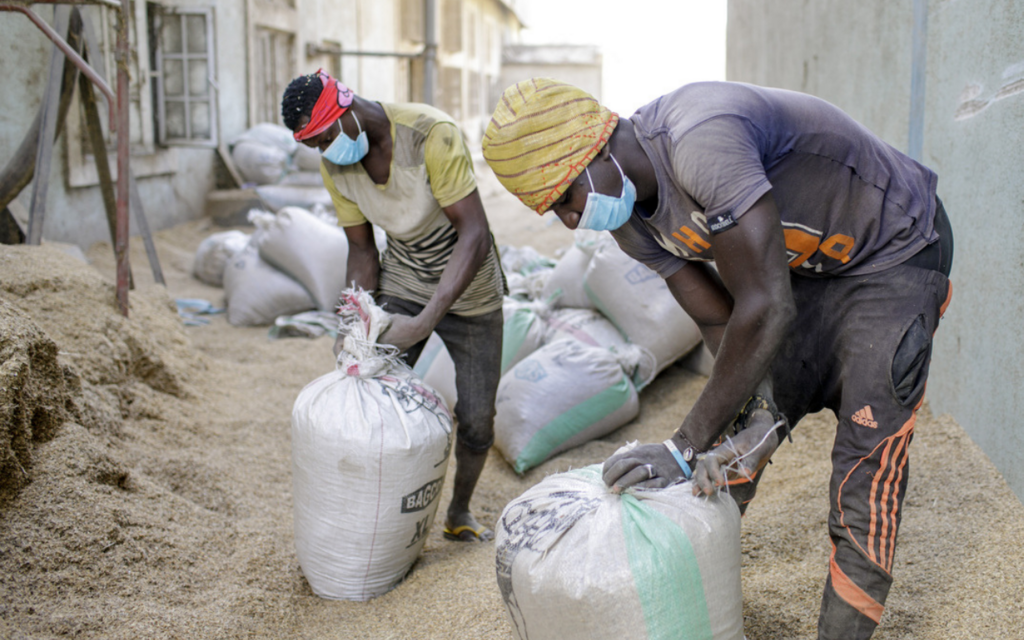
Perspectives must be created and existing potentials in the agricultural and food sector must be intensified so that people have the courage to pursue their future in rural areas. In its projects, the SEWOH promotes a comprehensive approach that focuses in particular on the needs of young people.

Read more …

Securing Land Rights

Unresolved land ownership and rights of utilisation contribute to hunger and poverty and lead to conflicts over land, especially in Africa. The SEWOH therefore promotes various approaches to eliminate conflicts over land and to ensure responsible and sustainable agricultural land use.

Read more …

Politics

All articles

From shared conviction to global response

A Contribution by Jan Rübel

The G7 is responding to the worsening global hunger crisis by mobilizing an additional $4.5 billion for this year alone. A key milestone for this in the run-up was the international conference on global food security "Uniting for Global Food Security".

Read more …

World Soil Conference ends with resolutions on drought management and land restoration

A contribution by GIZ

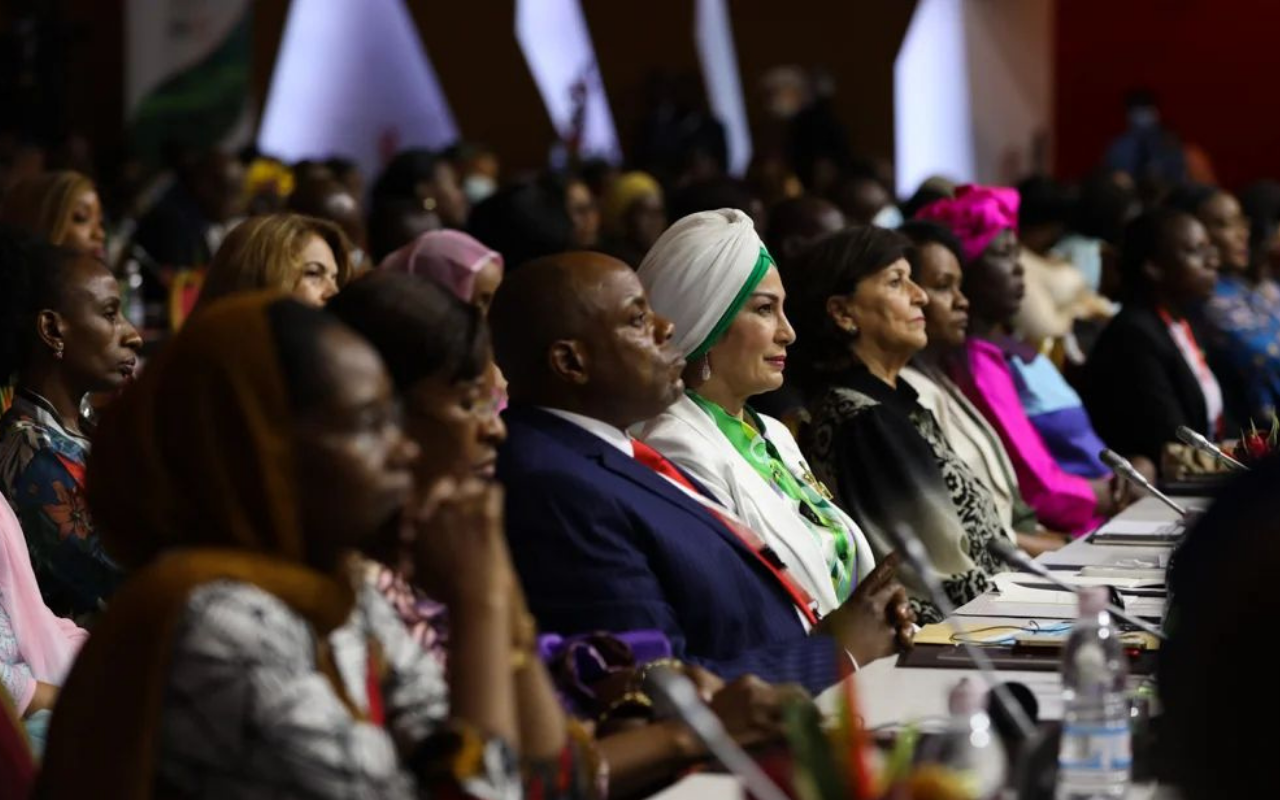
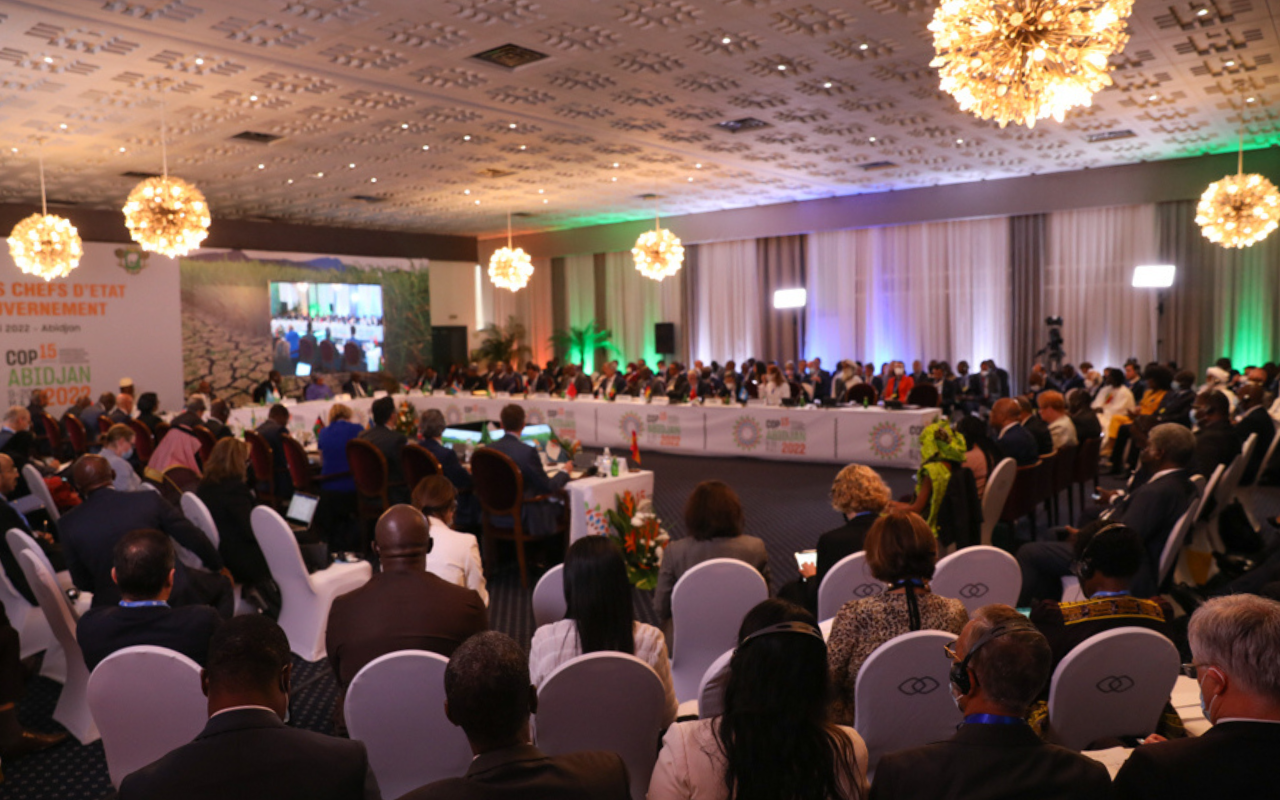
At the UNCCD COP15, the nearly 200 Parties met in Abidjan, Côte d'Ivoire. A key goal is to halt the loss of fertile soils by 2030.

Read more …

For a just transition to a sustainable planet we must secure land rights

A contribution by TMG

At the UNCCD COP15, the Töpfer Müller Gaßner Think Tank (TMG) hosted four side events. The agenda of the kick-off event included discussions for the Human Rights and Land Navigator.

Read more …

German G7 Presidency – fighting hunger with all our might

A Contribution by Welthungerhilfe
In the run-up to the G7 summit, experts from politics and civil society discussed sustainable and more effective options for action by the G7 states to combat hunger.
Read more …

Gender

All articles

Small cup, big impact

A Contribution by UFULU and GIZ

A menstrual health pilot in Rural Malawi empowers rural women in Agribusiness through hygiene products and helps to improve working conditions in rural areas.

Read more …

Feminist development policy – A new beginning?

An Interview by Journalist Jan Rübel

Cameroonian gender and peace activist Marthe Wandou on the role of women and girls in development policy – then and in the future.

Read more …

Teaserbild Frauen in der Klimakrise

Women in the climate crisis

A photo report by Andy Spyra

Women are particularly affected by the climate crisis. They account for around 70 per cent of people living in poverty worldwide; natural resources are often their only source of livelihood. A story board about the impact of climate change on women and girls in the Sahel region.

Read more …

Land Rights, Gender and Soil Fertility in Benin

A contribution by Dr. Karin Gaesing and Prof. Dr. Frank Bliss (INEF)

Especially in densely populated areas, land pressure leads to overexploitation of available land and a lack of conservation measures. The West African country of Benin, with heavily depleted soils in many places, is no exception.

Read more …

Food Systems

All articles

David versus Goliath: Consequences of mainstream agricultural export commodities and niche products

An Artikel by the Initiative for Sustainable Agricultural Supply Chains (INA)

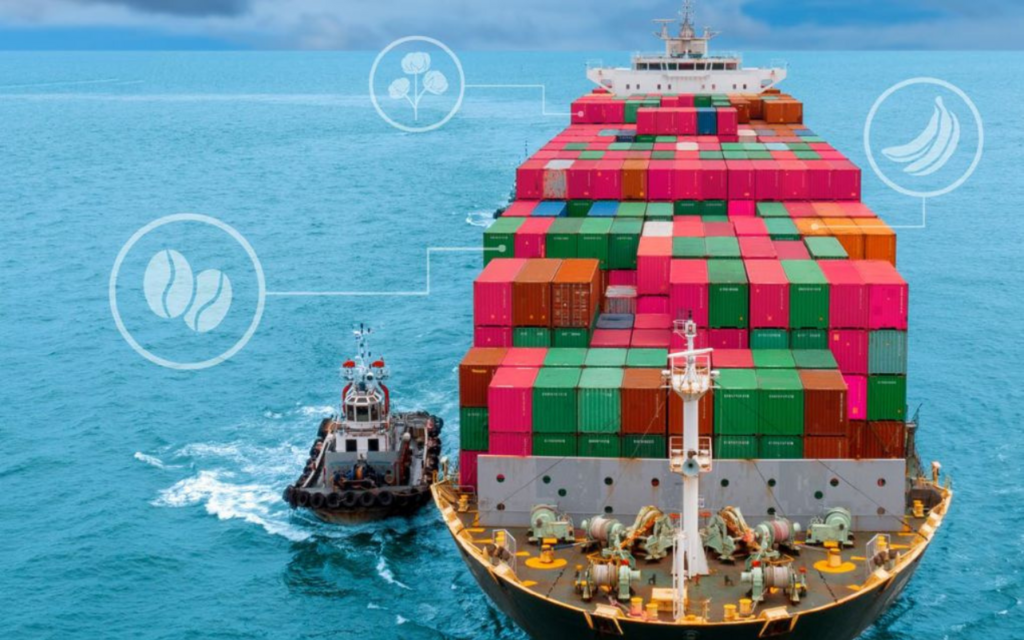
A study published by the Deutsche Gesellschaft für Internationale Zusammenarbeit (GIZ) examines the differences between globally traded agricultural commodities and domestic niche products in terms of economic, environmental and social impact on the region of origin. The results provide new evidence to make supply chains more sustainable.  

Read more …

Organic certification as an opportunity for developing and emerging countries

An Interview with Dr. Julia Bellinghausen (IPD)

The Import Promotion Desk (IPD) accompanied organic producers from developing and emerging countries to Biofach. In an interview, Dr Julia Bellinghausen, head of the IPD, explains the importance of organic certification in export promotion.

Read more …

‘Preserving and restoring fertile soils is a global responsibility.’

An Interview with Jochen Flasbarth (BMZ)

Healthy, productive soils are a prerequisite for global food security – one of the priorities of German development cooperation. State Secretary Jochen Flasbarth on Germany’s efforts to support sustainable land management and why the VGGT are more important than ever today.

Read more …

The lessons learned from the last food crisis - A solution?

A Contribution by Agnes Kalibata

Inadequacy and fragility of food systems becomes more apparent with every food crisis. The question we must answer is “Where do we go from here?”

Read more …

Digitalization & Innovation

All articles

Teaserimage Finals Innovation Challenge

Innovation Challenge Finals

An event organised by GIZ on behalf of BMZ

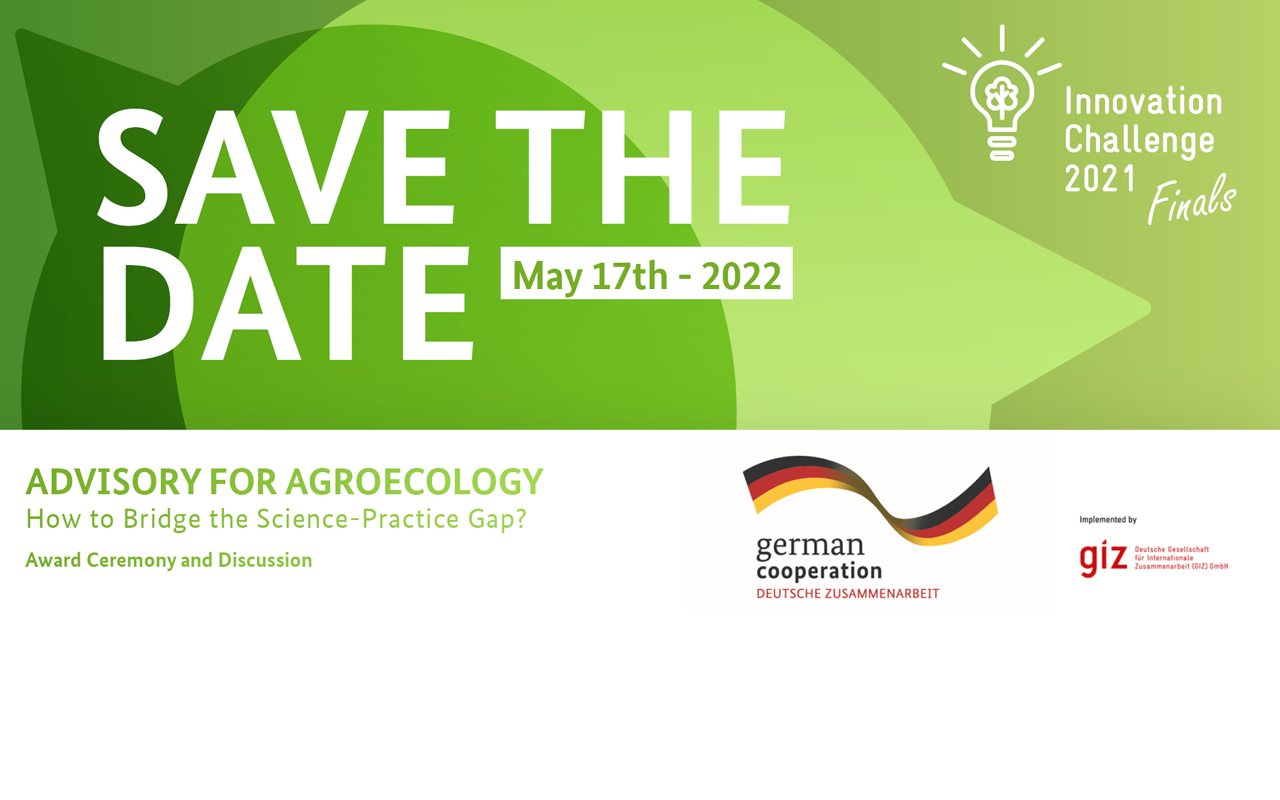
The finals of the Innovation Challenge “Advisory for Agroecology” took place on 17 May - 2022 featuring six innovations in advisory that provided the basis for a discussion on how to bridge the gap between science and practice.

Read more …

A New Mindset to Reform Agriresearch

A Contribution by Lennart Woltering (CGIAR)

In context of the 15th CGIAR System Council Meeting, Lennart Woltering shares his assessment of the ongoing One CGIAR reform process.

Read more …

Digitalization: The Driving Force in the Future of Agriculture?

A Contribution by GIZ

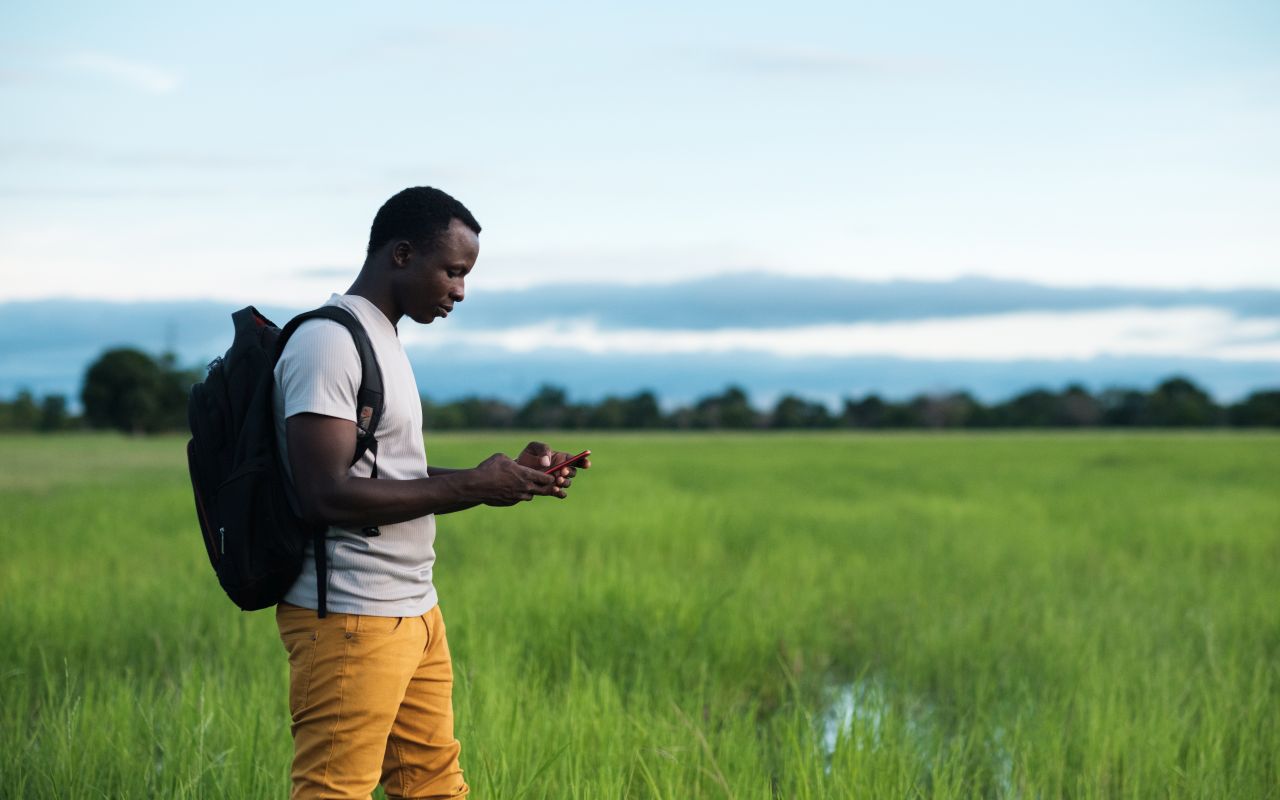
At the ICTforAg conference in March 2022, the digital agriculture community exchanged on the challenges and opportunities associated with the next green revolution.

Read more …

ICTforAg 2022: Conference

An Initiative by GIZ Fond i4Ag

In March 2022, the virtual conference ICTforAg summons leading actors in the agrartechnology and food sector from low- and middle-income countries to exchange ideas advancing resilience, nutrition and agriculture-led growth.

Read more …

Climate

All articles

Food security is more than production volumes and high yields

A Contribution by Adrian Muller, Catherine Pfeifer and Jürn Sanders (FiBL)

Taking Biodiversity Focus Areas under production or abandoning lower yielding, more extensive production systems is the wrong approach to mastering the looming global food crisis, say the authors of the Research Institute of Organic Agriculture (FiBL).

Read more …

How to Enhance Soil Organic Carbon – Uniting Traditional and Innovative Practices

A Contribution by GIZ

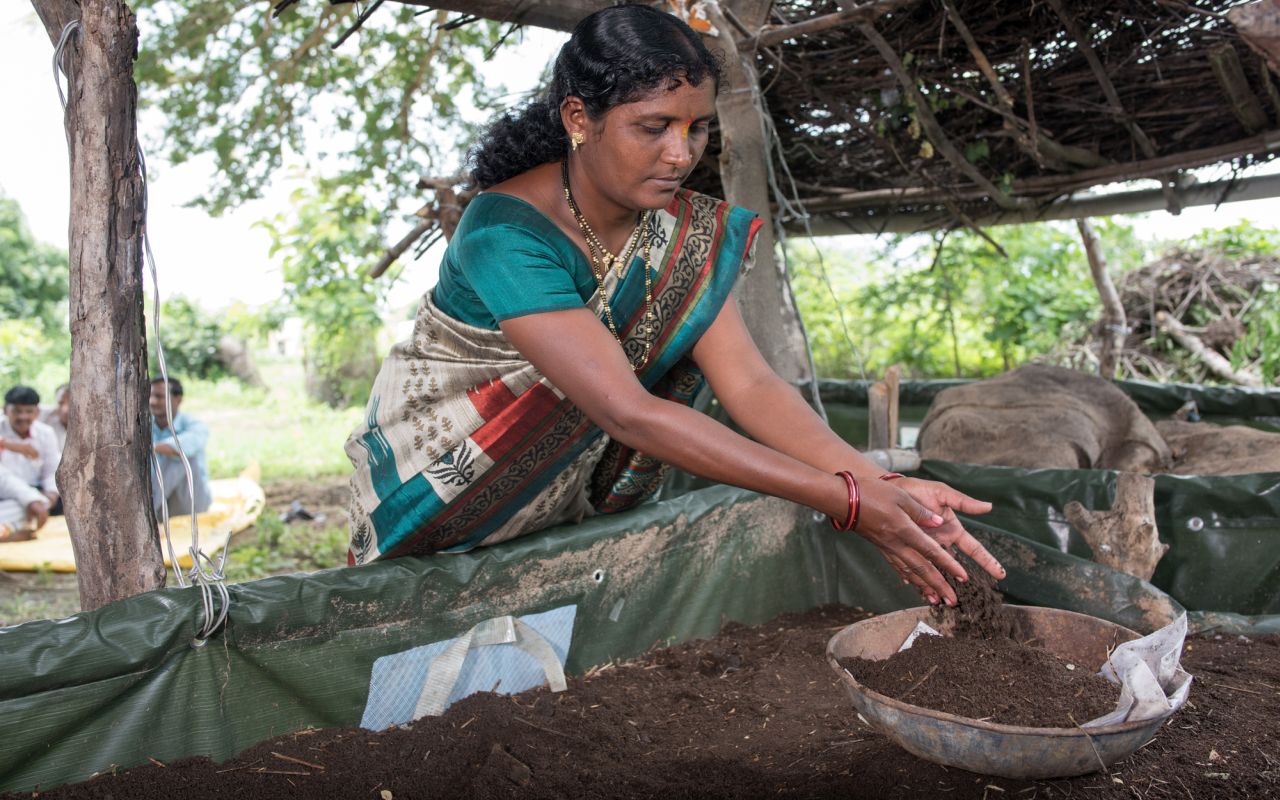
Indian farmers restore precious soil material combining traditional with innovative approaches. A case example how governance, agriculture and development cooperation can work together to combat climate change.

Read more …

Building Better Resilience to Transboundary Threats

A Contribution by the TMG Think Tank for Sustainability

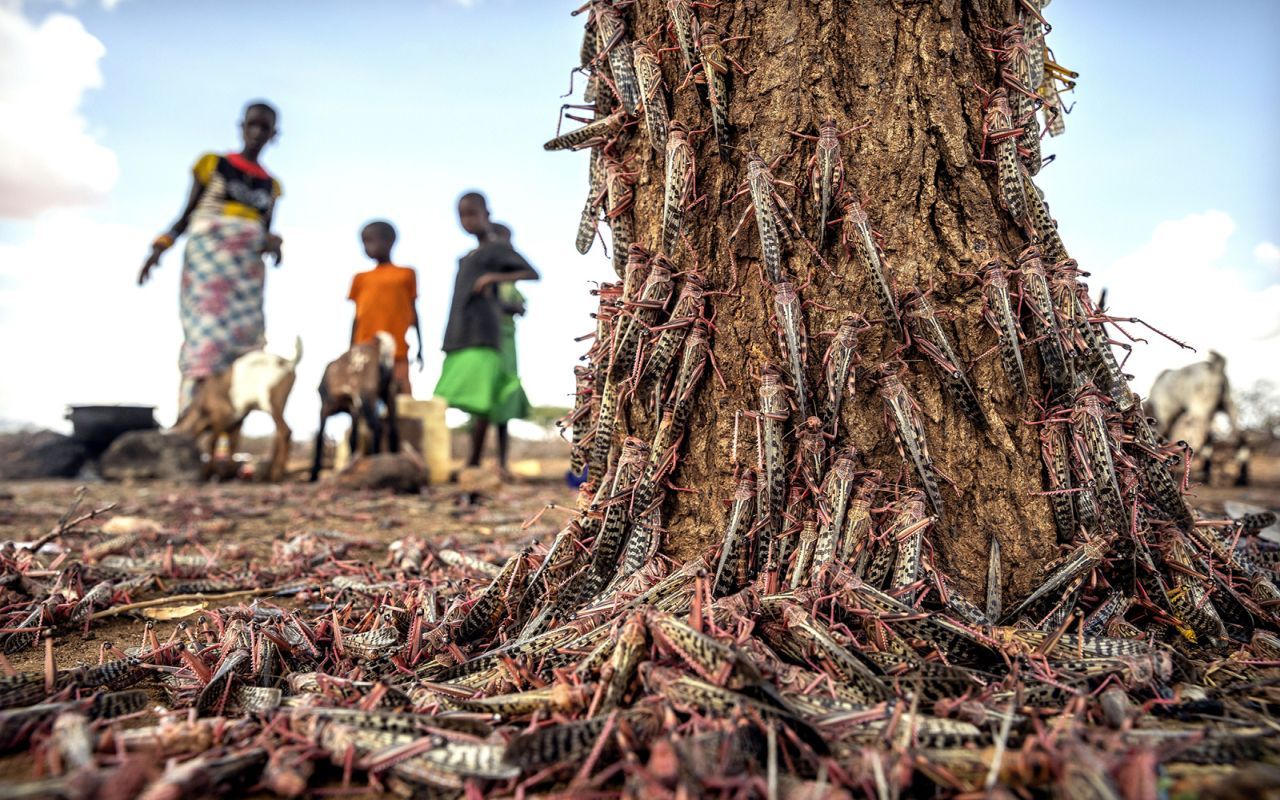
Fuelled by climate change, desert locust plagues become increasingly frequent. A plaidoyer for a paradigm shift on handling transboundary crises.

Read more …

How to Combat Hunger in Times of Climate Crisis?

An Interview with Martin Frick (WFP)

The climate crisis fuels world hunger. What needs to change in the global fight against hunger, and which role plays humanitarian aid in international development cooperation?

Read more …

Projects

All projects

Why we are hereOne World No Hunger until 2030. That is our common goal. To achieve it we pursue various approaches and ideas that we present here.
0
Projects
0
Partners
0
Authors
0
Countries
Days to 2030